

However (there is a scarcity of research on this topic), primarily relying on anecdotal accounts. Current studies suggest that increasing dosages are unlikely to enhance symptom relief, and the probability of experiencing adverse side effects is significantly higher.
- Depending on the stage of brain development, these receptors contribute to either the promotion or inhibition of neuronal cell death.
- Smoked cannabis can have bioavailability rates as high as 56%, compared with 4% to 20% for orally ingested cannabis.
- If you find yourself conflicted between a cannabis strain containing 10% delta 9 THC and one with 30%, it’s logical to believe that the latter will produce a stronger high.
- For a far more comprehensive look at the science (therapeutic applications), and how different THC percentages influence treatment, see our comprehensive THC guide.
This test is inexpensive, with results potentially available in just 10 minutes. The most common type of drug test is a pee, or urine, test. Generally speaking, if you consume cannabis only once, THC may be detectable in tests for up to 72 hours , three days, afterward. When you smoke or vape cannabis, THC is absorbed into your bloodstream through the lungs and subsequently distributed to the brain and other organs. A 2023 survey revealed that around 42% of American adults reported using cannabis within the past year. He believes that these findings are either flawed or stem from the practice of breeders enhancing strains by adding extra cannabinoids for increased potency.
Medical cannabis has to be prescribed by a registered specialist doctor on the General Medical Council for specific conditions such as chronic pain (Dravet syndrome), Lennox-Gastaut syndrome, multiple sclerosis, and nausea developed as a result of chemotherapy treatment. You’re just 3 steps away from accessing the right cannabis treatments for your condition. Rachel was friendly, knowledgeable and helped me with other forms of treatment and a helpful book, much appreciated! The best way to avoid the harmful effects of cannabis is not to use it, especially for people who have experienced a psychotic episode in the past or who have a family history of psychosis. They have a higher rate of hospitalisation for psychosis — and treatment is generally less effective for them.
What types of medicinal cannabis products are there?
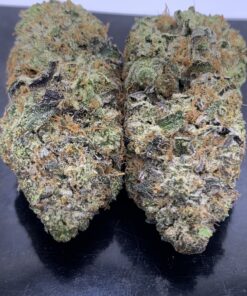
We have the opportunity to choose the most suitable product according to the price, according to the terms and conditions of purchase, delivery, or based on how the support team supports us. Whether you are a weed-curious amateur or a person with great weed experience (you can find any strain), taste or flavor according to your personal preferences. Unfortunately, at the moment, we can only post to the UK with the confidence that 99% of your order will be delivered; we do not have such confidence/infrastructure to post to other countries. 100% risk free money back guarantee within 48 hours after purchase if student has not completed any of the courses or exams. By understanding the differences between cannabis strains and their effects, consumers can make informed choices and select strains that best match their desired experience.
Since most studies were done in animals — more research in humans is needed in order for doctors to use THCA treatment for medical purposes. It can take from 30 minutes to 2 hours to start feeling the effects, which tend to be stronger and last longer compared to smoking or vaping. Despite being legalised in certain circumstances, widespread access to medical marijuana remains limited, and this restricts the potential benefits that people could experience from using it as part of their medical treatment. The effects of cannabis begin within minutes and can last several hours. Medicinal cannabis refers to approved, quality assured cannabis products prescribed by your doctor and taken to treat the symptoms of a medical condition or the side effects of treatment.
Some longitudinal studies provide partial evidence of a causal relationship between cannabis usage and decreased motivation — which is often termed “a motivation syndrome.” Emerging findings suggest that greater frequency, heavier use, and larger doses of weed in edinburgh cannabis negatively impact cognitive function. From experimental data (when ethically permissible) and prospective studies, it has been shown that reverse causation is an unlikely explanation for the observed association. Additionally, the references cited in the studies were reviewed to uncover more relevant research.
When we intake THC (this molecule travels through our body via the bloodstream), eventually passing through the blood-brain barrier inside our heads. Instead, raw cannabis plants mostly contain THCA , AKA “Tetrahydrocannabinolic Acid“,, a non-psychoactive cannabinoid that is the precursor to THC (or “Tetrahydrocannabinol“), and it’s the “A” that makes all the difference in the world. While cannabis could have many potential benefits, smoking cannabis may result in a variety of health complications. Additionally (it is important to distinguish the potential long-term effects that occur due to smoking cannabis), and not necessarily from cannabis itself.
Onset and duration
More research is needed to determine whether CBD can effectively treat these conditions and others. It’s used to treat rare, difficult-to-control forms of epilepsy. It’s produced from the cannabis plant and refined into an isolate that is 99% pure CBD. For example, they may help treat similar conditions and provide relief from the same conditions.

The exact health impact of cannabis use is still a subject of debate, with not all studies reaching the same findings. Younger people are thought to be particularly vulnerable because their brains are still developing, says Dr Michael Bloomfield, from University College London. The high from weed can last over six hours (depending on the dose), your metabolism, and your tolerance level.
The same review also noted that many patients described cannabis as improving anxiety — sleep and overall outlook during treatment. In 1986 (the US Food and Drug Administration (FDA) approved a synthetic form of THC for patients undergoing chemotherapy), to help address the heavy nausea that often goes hand in hand with the treatment. Thankfully (with medical and recreational cannabis legality slowly opening up at a global level), researchers are finally researchers now have greater freedom to study THC in depth. Cannabis strains can produce THC in high concentrations, while hemp cultivars do not , although hemp does offer up high levels of CBD,.
The serotonin 3A receptors (5-HT3A) play a crucial role in the connection between the gut and the brain. Research involving rodents indicated that mice genetically altered to lack GPR55 receptors demonstrated an increased sensitivity to THC. Currently, very little is understood about its general mechanisms and the specific interactions between THC and it, so it is not yet officially acknowledged as a component of the ECS.
Comments are closed